

Kid Icarus
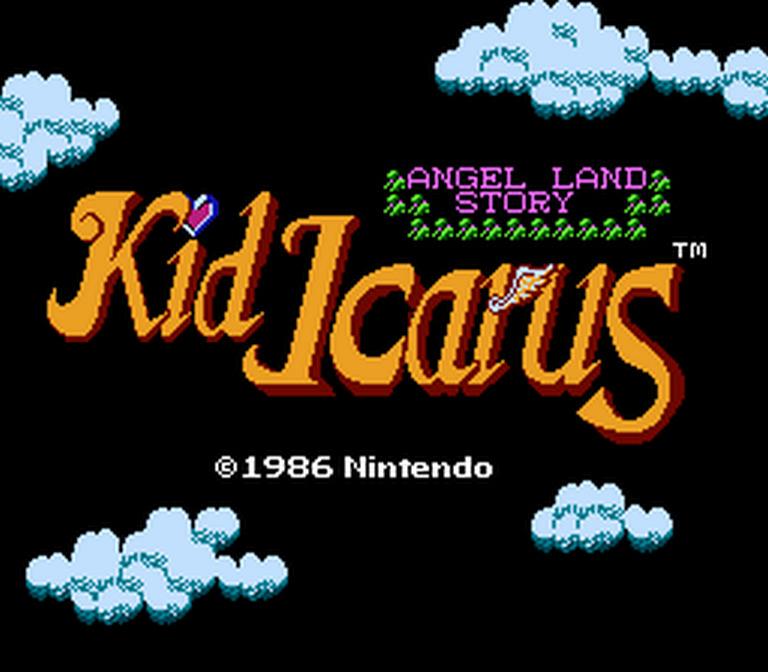
Kid Icarus (1986) is an action platformer inspired by Greek mythology. Players control the angel Pit on a quest to rescue the goddess Palutena and defeat the evil Medusa in the mythical realm of Angel Land.
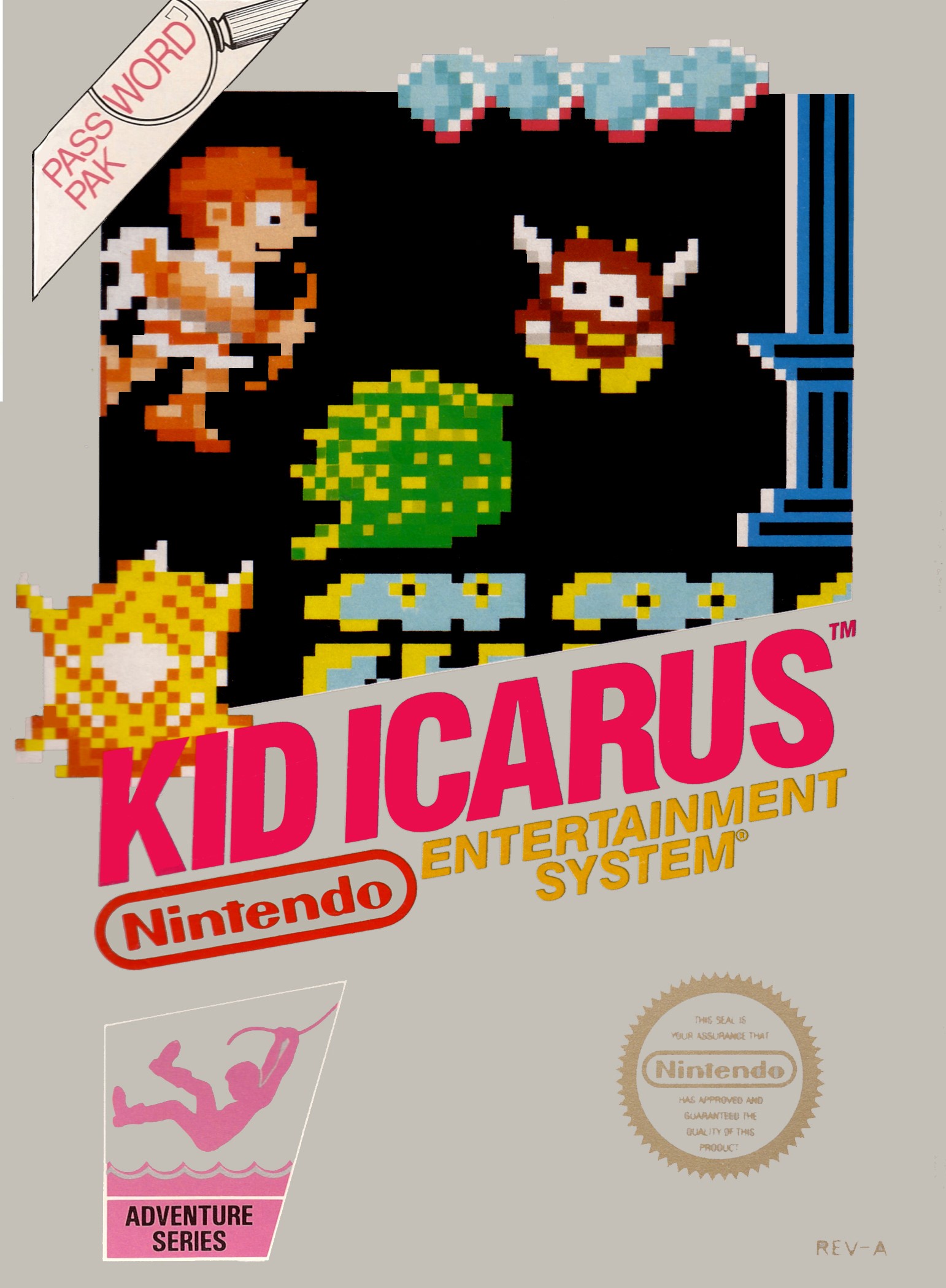
Kid Icarus Cover
Information
Type: Video Games με θέμα την Ελλάδα
Platform (OS): Nintendo Famicom, Game Boy Advance, Nintendo 3DS, Nintendo Entertainment System (NES)
Release Date: 1986
Publisher: Nintendo
Developer: Nintendo R&D1
Tags
About the Game
Released in 1986 for the Famicom Disk System and later for the Nintendo Entertainment System (NES), Kid Icarus was developed by Nintendo R&D1 and published by Nintendo. It is an action platformer with exploration and light role-playing elements, drawing heavy inspiration from Greek mythology while creating its own original fantasy universe populated by mythological figures and creatures.
The story takes place in the mythical realm of Angel Land, once ruled by Palutena, the Goddess of Light, and Medusa, the Goddess of Darkness. Consumed by jealousy toward humanity, Medusa wages war against Palutena, defeats her, imprisons her, and steals the Three Sacred Treasures. Before being captured, Palutena secretly sends a magical bow to a young angel named Pit, entrusting him with the mission of rescuing the kingdom and defeating Medusa.
Pit begins his adventure in the Underworld, traveling through the Overworld, Skyworld, and finally the Palace in the Sky, where the final confrontation with Medusa awaits. Along the way, he must recover the Three Sacred Treasures—the Mirror Shield, the Wings of Pegasus, and the Arrow of Light—which are necessary to overcome the powerful forces protecting Medusa.
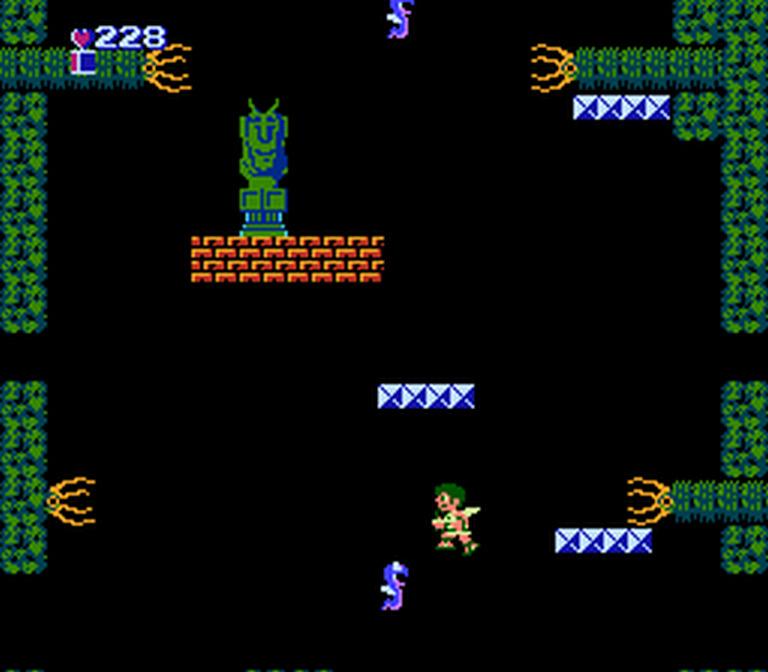
Although the game's mythology is largely original, it incorporates numerous elements from Greek mythology. Familiar figures such as Medusa, Pegasus, Centaurs, Cyclopes, Satyrs, Cerberus, Griffins, and many other legendary creatures appear throughout the adventure as enemies, allies, or environmental references. Locations, items, and character names frequently draw upon classical mythology while adapting them into Nintendo's fantasy setting.
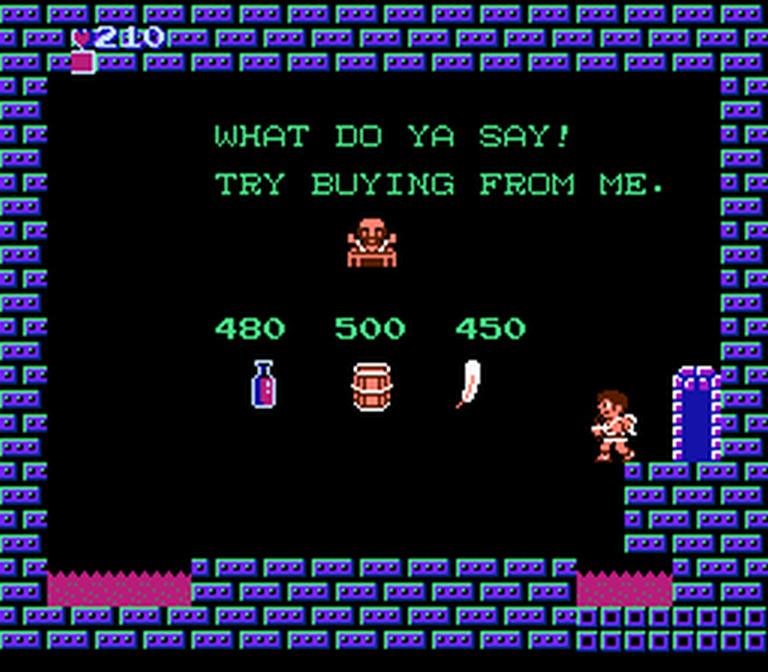
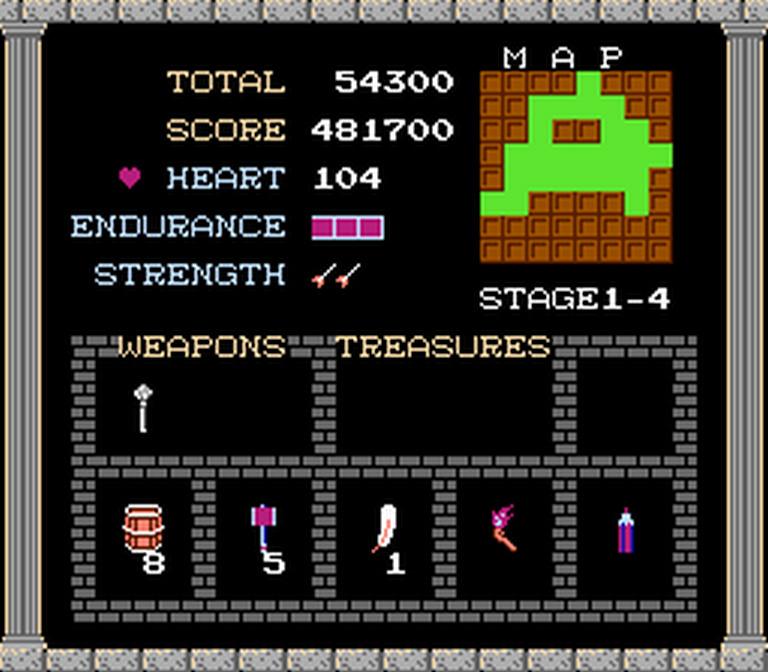
Gameplay combines side-scrolling platforming with combat, exploration, and light RPG mechanics. Pit fights primarily with a magical bow while collecting hearts, which function as the game's currency and can be exchanged for weapons, equipment, and useful items. As players progress, Pit becomes stronger by upgrading his weapons, increasing his health, and acquiring magical abilities that improve both combat effectiveness and exploration.
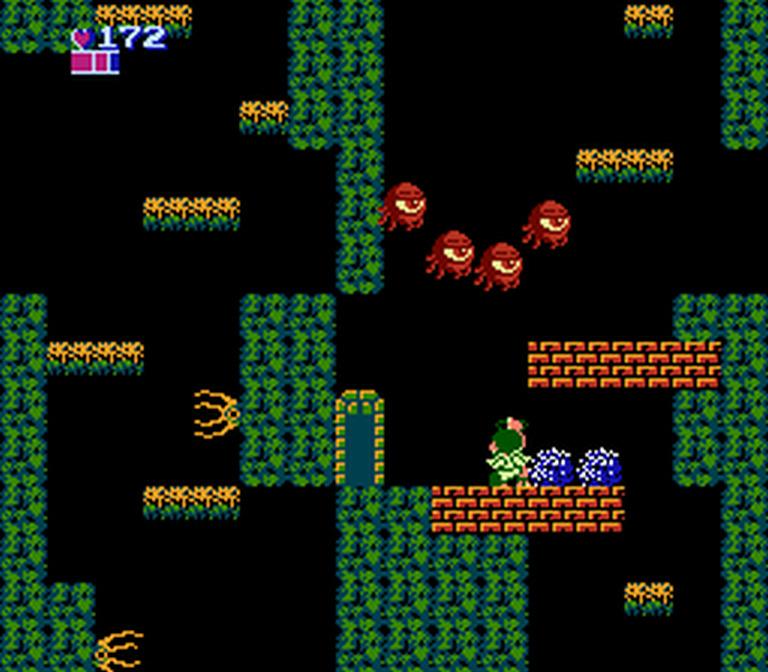
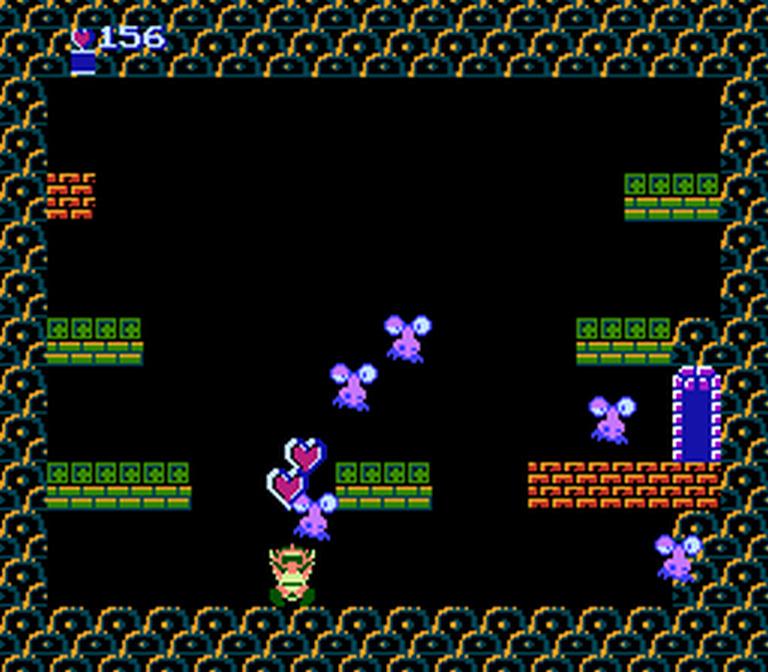
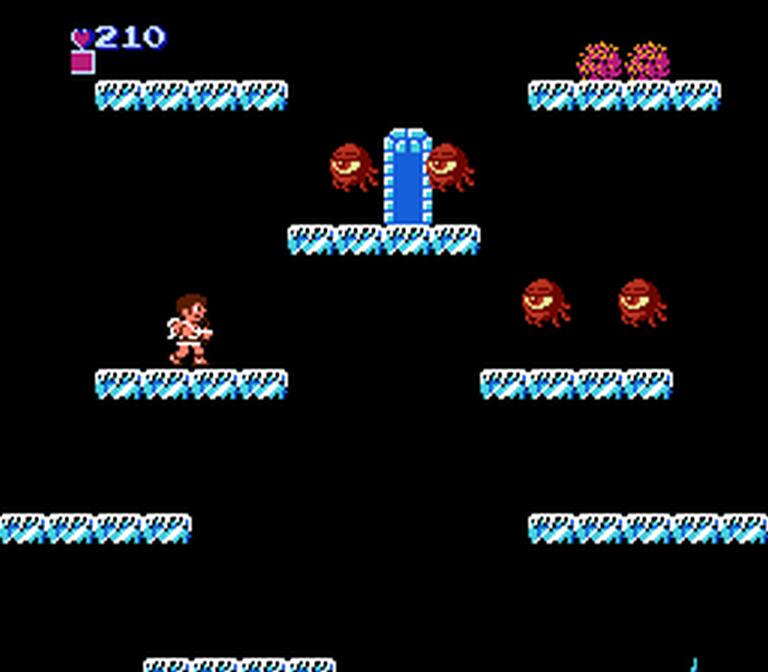
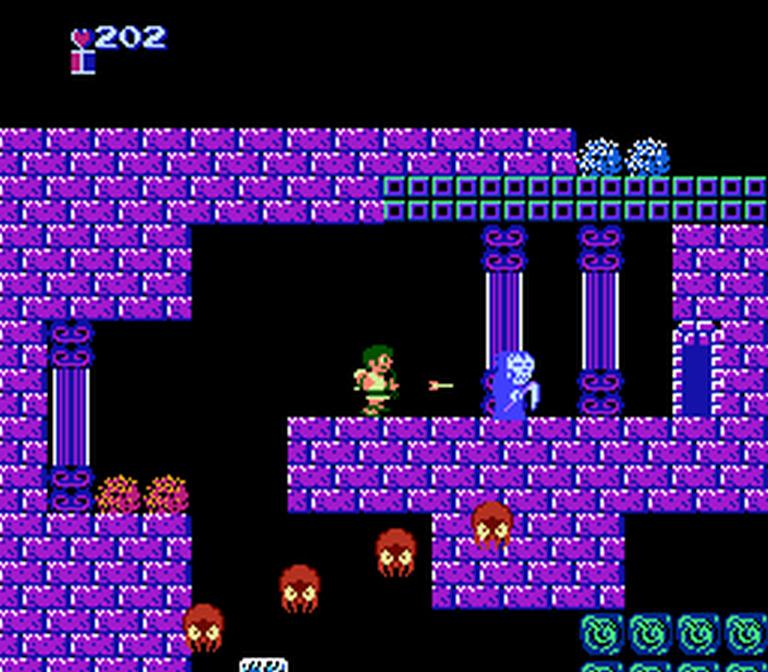
Each region features distinct level design. Early stages emphasize vertical climbing through dangerous environments, while later worlds focus on horizontal exploration and maze-like fortresses. Every fortress contains complex labyrinths filled with traps, enemies, and powerful guardians that must be defeated before one of the Three Sacred Treasures can be recovered.
Throughout the journey, players encounter shops, training chambers, hidden secrets, and optional challenges that allow Pit to improve his abilities. The game's difficulty comes from both its demanding platforming sections and the need to carefully manage resources, equipment, and character progression.
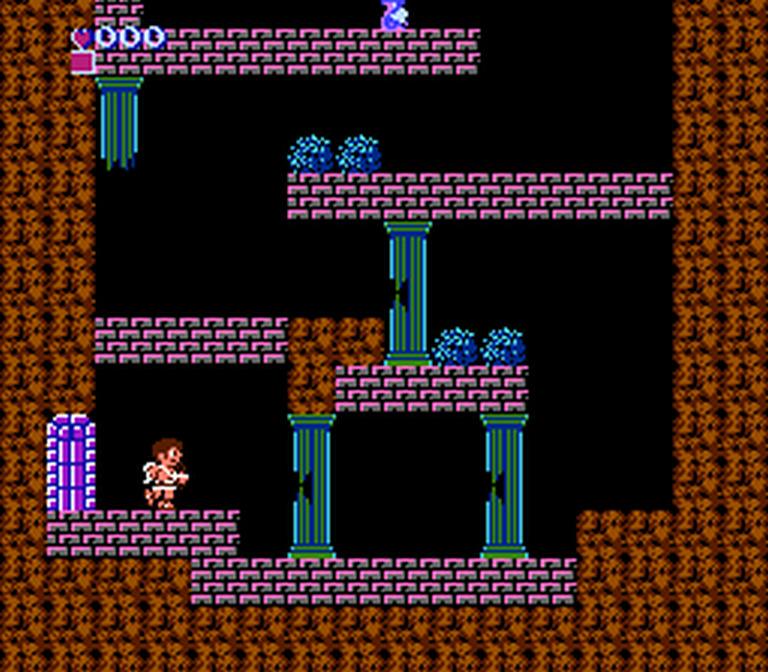
Visually, Kid Icarus blends imagery inspired by Ancient Greece with high fantasy. Marble temples, classical columns, floating islands, heavenly landscapes, and mythological monsters create a world that evokes Greek mythology without attempting historical accuracy. Combined with its memorable soundtrack and varied level design, the game delivers a distinctive mythological adventure.
Kid Icarus remains one of Nintendo's earliest and most recognizable games inspired by Greek mythology. While it reimagines classical myths within an original fantasy setting, its use of Medusa, Pegasus, mythological creatures, and Olympian-inspired themes established a memorable adventure that continues to be closely associated with Greek mythology in video game history.
Kid Icarus Gallery