

World Basketball Manager
World Basketball Manager (2003) is a Greek basketball management simulation. With hundreds of teams, thousands of players, and international competitions, it offers a detailed simulation of the global basketball world.
World Basketball Manager Cover

Information
Type: Ελληνικά Video Games
Release Date: 2003
Developer: Metal Fin
Publisher: Icehole Games, Metal Fin
Genre: Simulation, Sports
About the Game
World Basketball Manager (WBM) is a basketball management simulation developed in Greece by Metal Fin, with the development team operating under the name icehole games. The game was first released on December 10, 2003, for Windows in the Greek market, followed by international distribution in other territories. It represented the evolution of the earlier Basketball Manager series, which had originally focused on the Greek basketball scene before expanding into a much broader international simulation. In World Basketball Manager, players take on the role of a basketball manager and coach, taking control of clubs and national teams from around the world. Rather than focusing on direct on-court action, the game simulates the many responsibilities involved in running a basketball team, with decisions affecting both immediate results and the long-term development of the club.
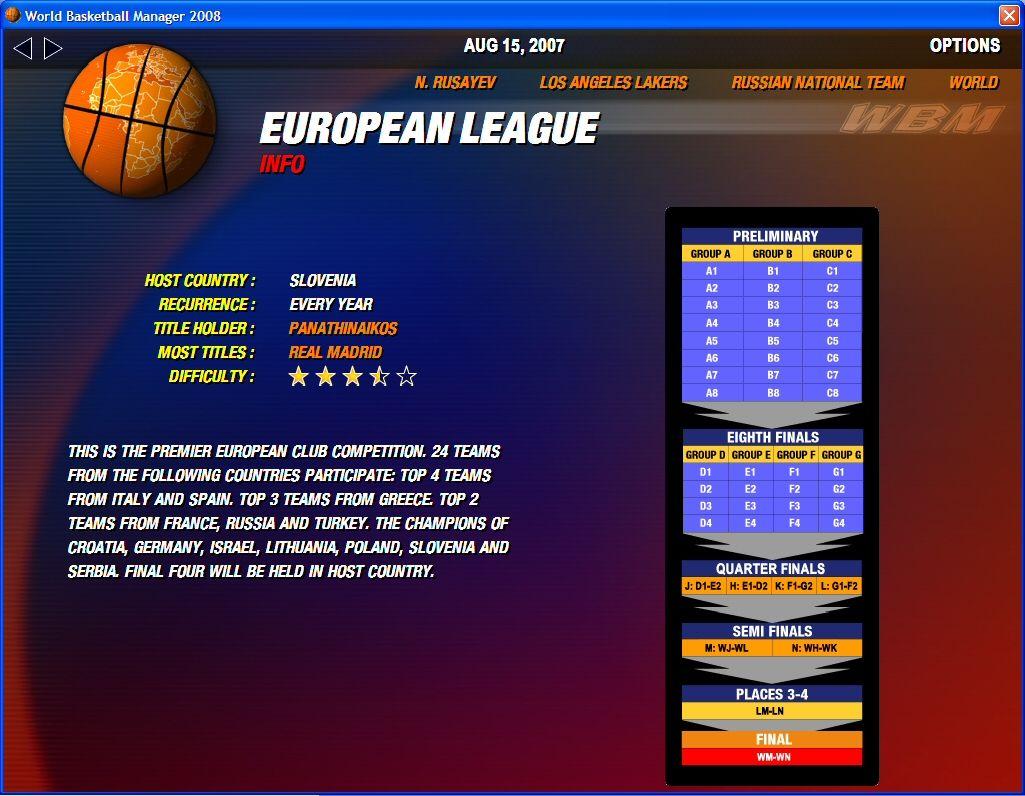
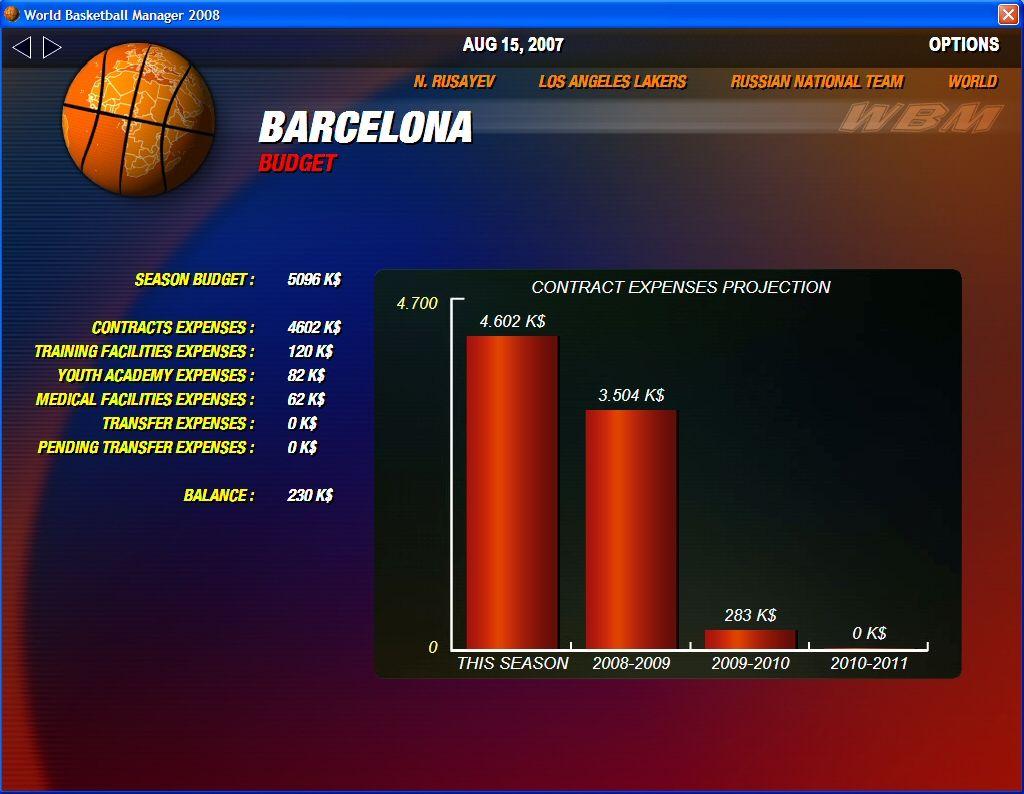
The game's database is one of its central features. The original version included approximately 94 countries, 65 national and international competitions, more than 650 teams, and around 10,000 players, providing an unusually broad representation of the basketball world for its time. Players could choose either Greek or foreign clubs and could also take charge of national teams. Managing a team involves many of the fundamental responsibilities associated with modern sports management games. Players deal with squad selection, transfers, contracts, training, player development, and tactical decisions, while attempting to build a team capable of competing successfully over multiple seasons. The career structure allows managers to progress over time and potentially move between different clubs and positions.
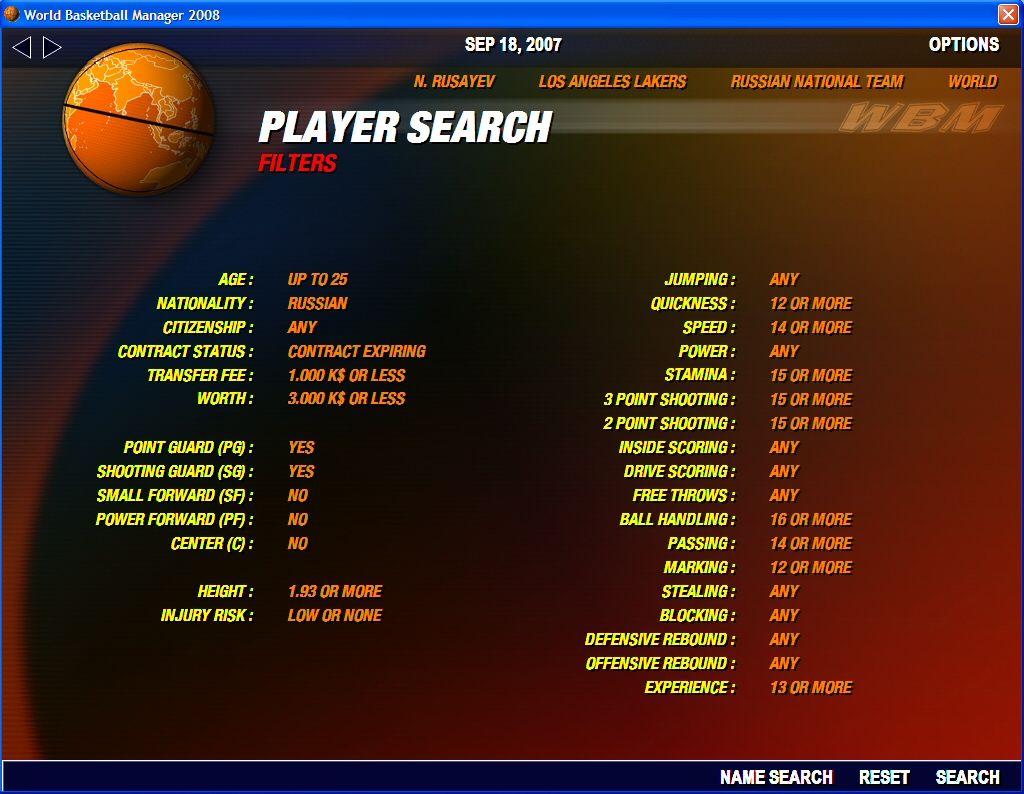
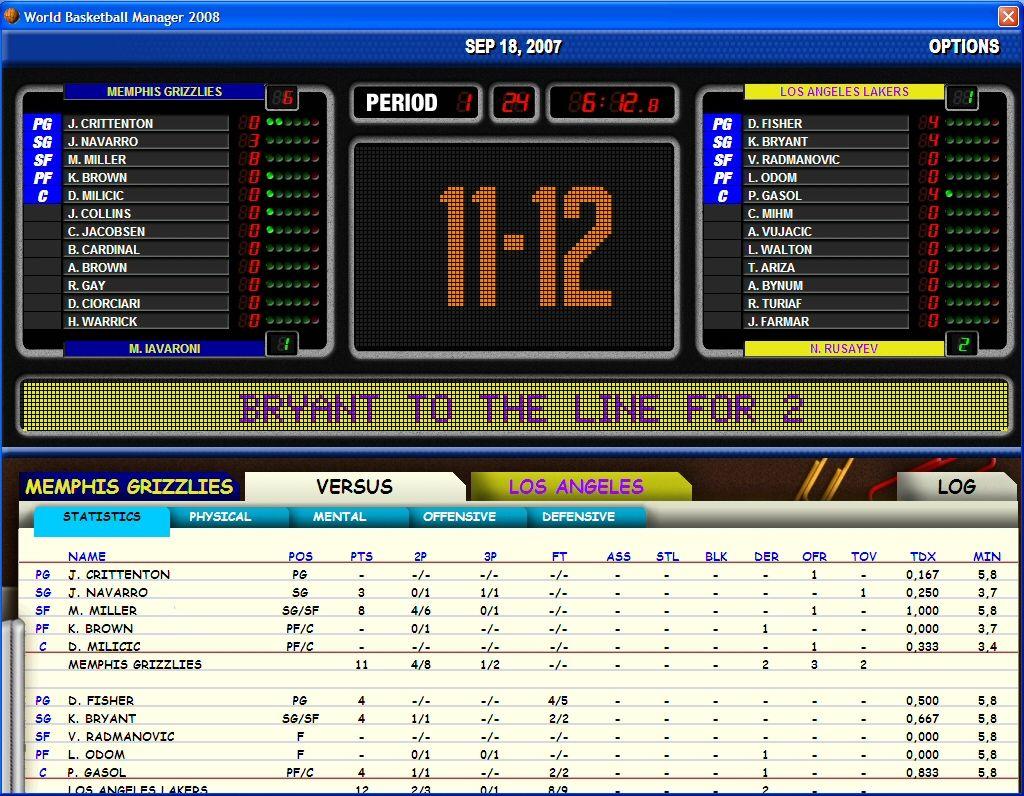
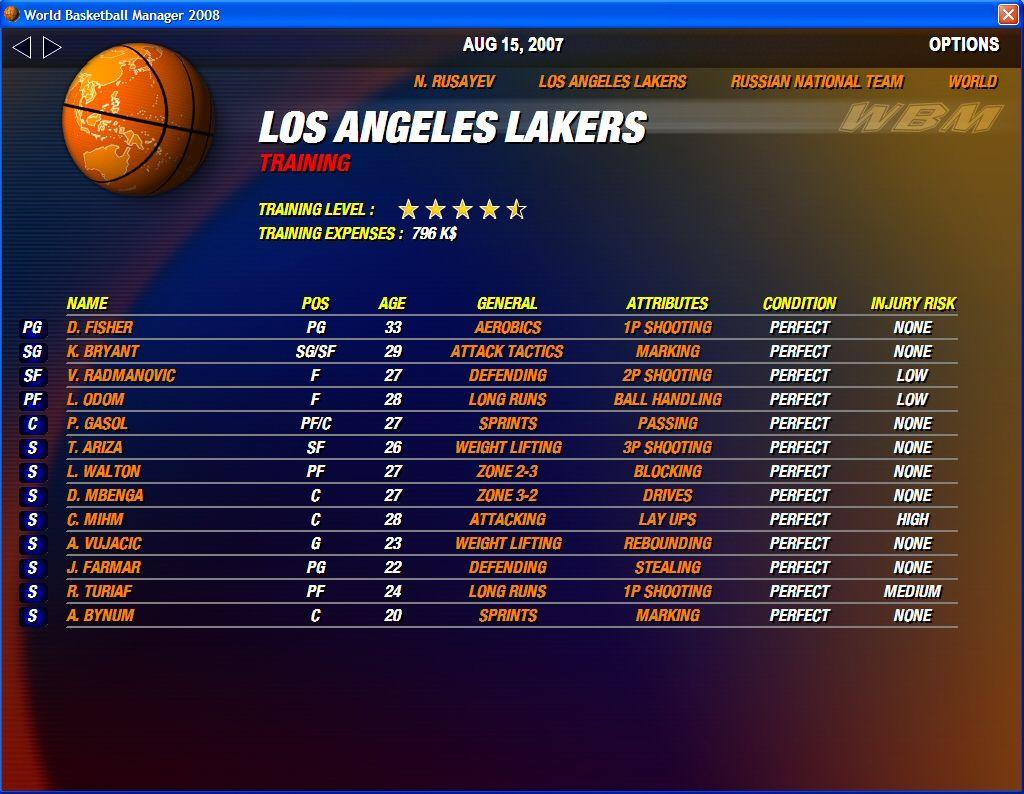
The transfer system is an important part of the experience. Managers can search for players, examine their attributes, and attempt to assemble a roster suited to their team's needs. With players drawn from numerous countries and competitions, the database provides considerable scope for scouting and squad building. Developing a successful team is therefore not simply a matter of signing the most recognizable players, but of creating a balanced roster. Training is another important part of team management. Players possess different characteristics and abilities, and their development contributes to the long-term strength of the squad. Managers must therefore consider how individual players fit together and how their abilities can be developed over the course of a season. The game's match simulation is designed around the decisions made during the management process. Rather than functioning as an arcade basketball game, matches are simulated according to the characteristics and performances of the teams and players. Results and statistics are generated as part of the ongoing season, allowing the player's previous decisions to influence the team's progress. The design philosophy of WBM is similar to that of football management games such as Championship Manager. Instead of directly controlling athletes on the court, the player takes the role of the person responsible for the team's overall direction.
This approach allows careers to extend across multiple seasons, with the manager building a team, competing in domestic competitions, and attempting to establish long-term success. Another notable feature is the ability to manage both club and national teams. This gives the simulation a wider scope, allowing players to experience the different demands of managing a professional club and leading a national team in international competition. The game's development history is particularly relevant to Greek game development. The team behind World Basketball Manager had previously worked on Basketball Manager, a Greek basketball management game that initially focused on the domestic league before expanding its scope. For the development of World Basketball Manager, the team left Volax Interactive and established Metal Fin, while retaining the name icehole as the collective identity of the development team.
World Basketball Manager therefore represented a transition from a primarily Greek basketball simulation to a much broader international management game. Its large database, extensive selection of countries and competitions, and focus on the global basketball scene formed the foundation of its design. World Basketball Manager is an important title in the history of Greek sports game development, particularly in the management simulation genre. First released in December 2003, it was created by a Greek development team and attempted to bring the structure and depth of football management games into the world of basketball. Its extensive international database and focus on club and national-team management make it a notable example of Greek-developed sports software from the early 2000s.
World Basketball Manager Gallery