

Hades II
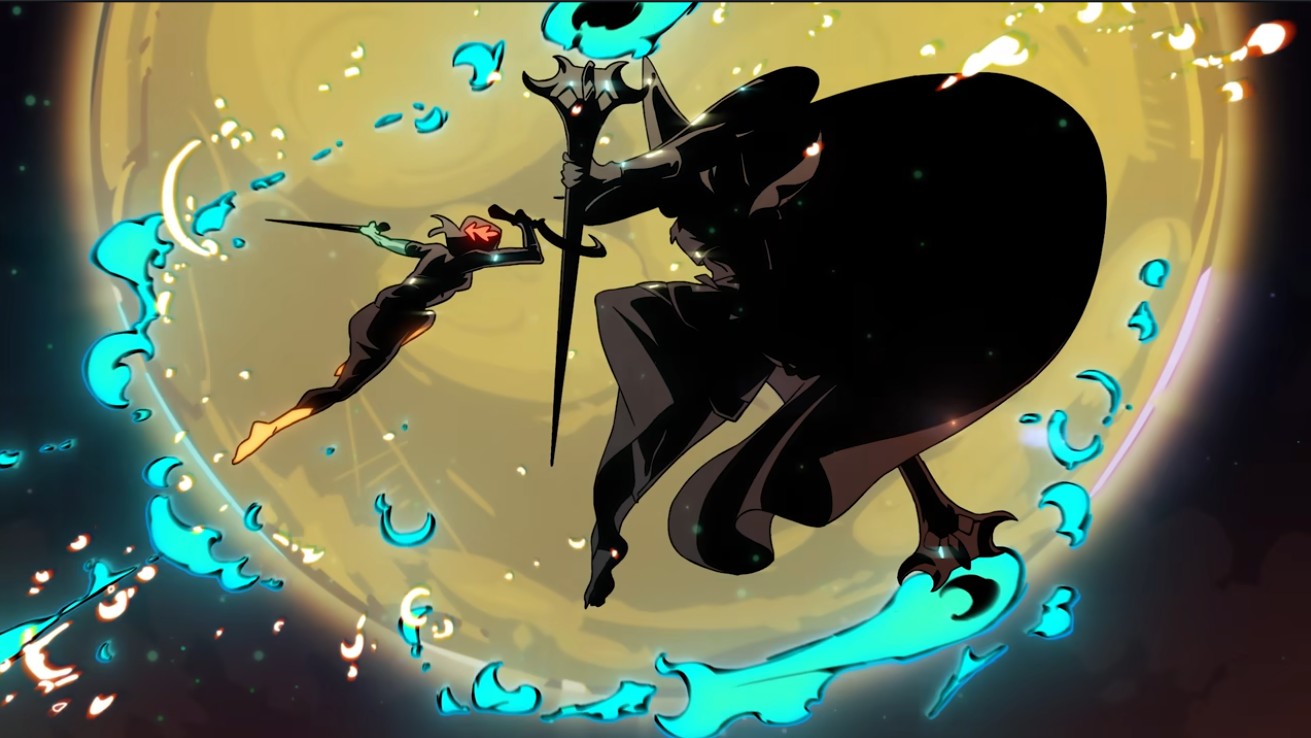
Hades II is an action roguelike by Greek studio Supergiant Games and the sequel to Hades. The witch Melinoë battles the Titan Chronos, exploring the Underworld and a mythological world inspired by ancient Greece through ever-changing combat encounters.
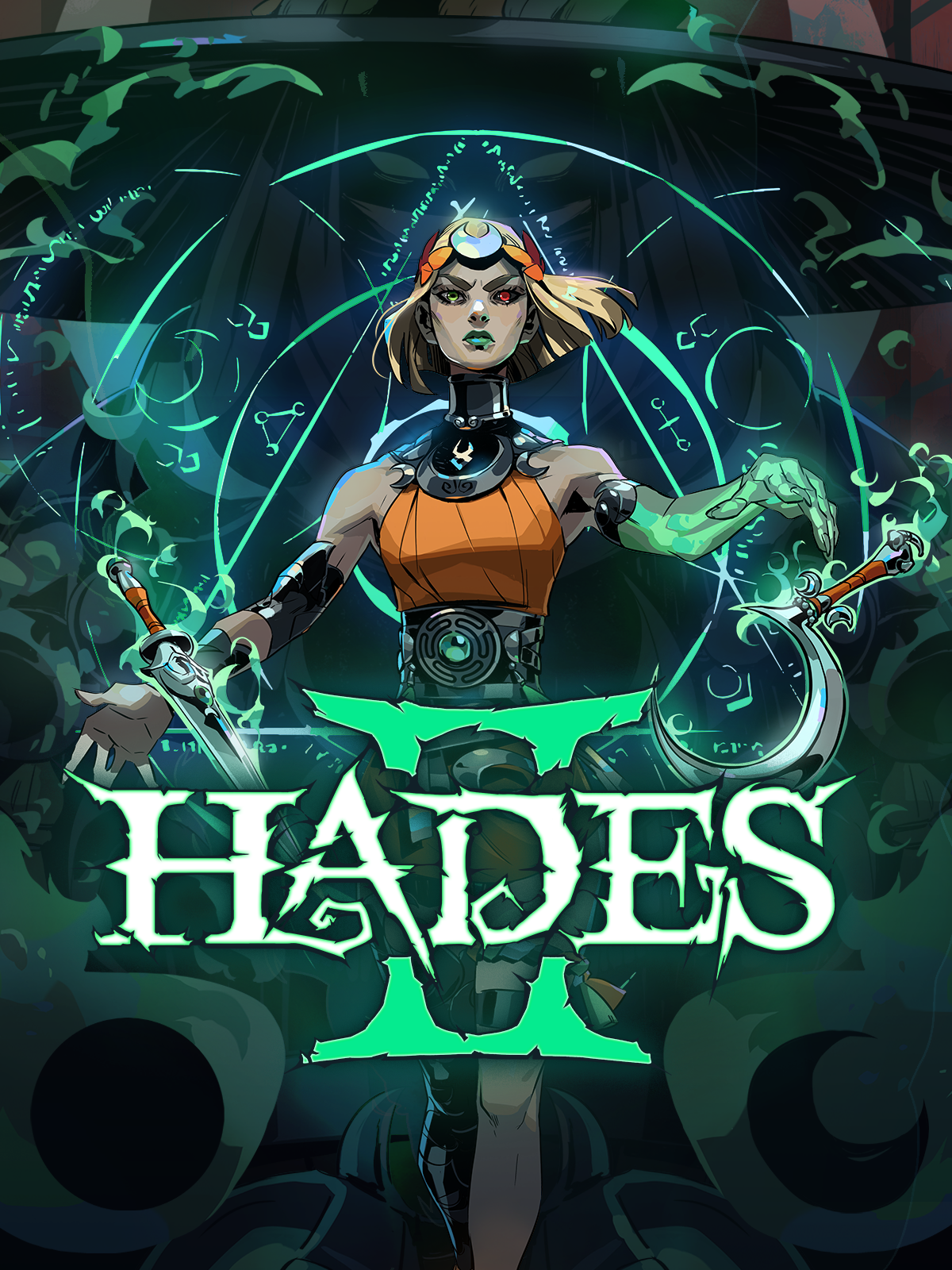
Hades II Cover
Information
Type: Video Games με θέμα την Ελλάδα
Release Date: 2025
Platform (OS): macOS, Nintendo Switch 2, PlayStation 5, Windows, Xbox Series X/S
Developer: Supergiant Games
Publisher: Supergiant Games
Website: Visit the website
Tags
About the Game
Hades II is an action roguelike developed by Greek studio Supergiant Games and the sequel to Hades. It first entered Early Access on May 6, 2024, followed by its full release on September 25, 2025. The game returns to the world of Greek mythology while introducing a new protagonist, story, and perspective on the gods and the Underworld.
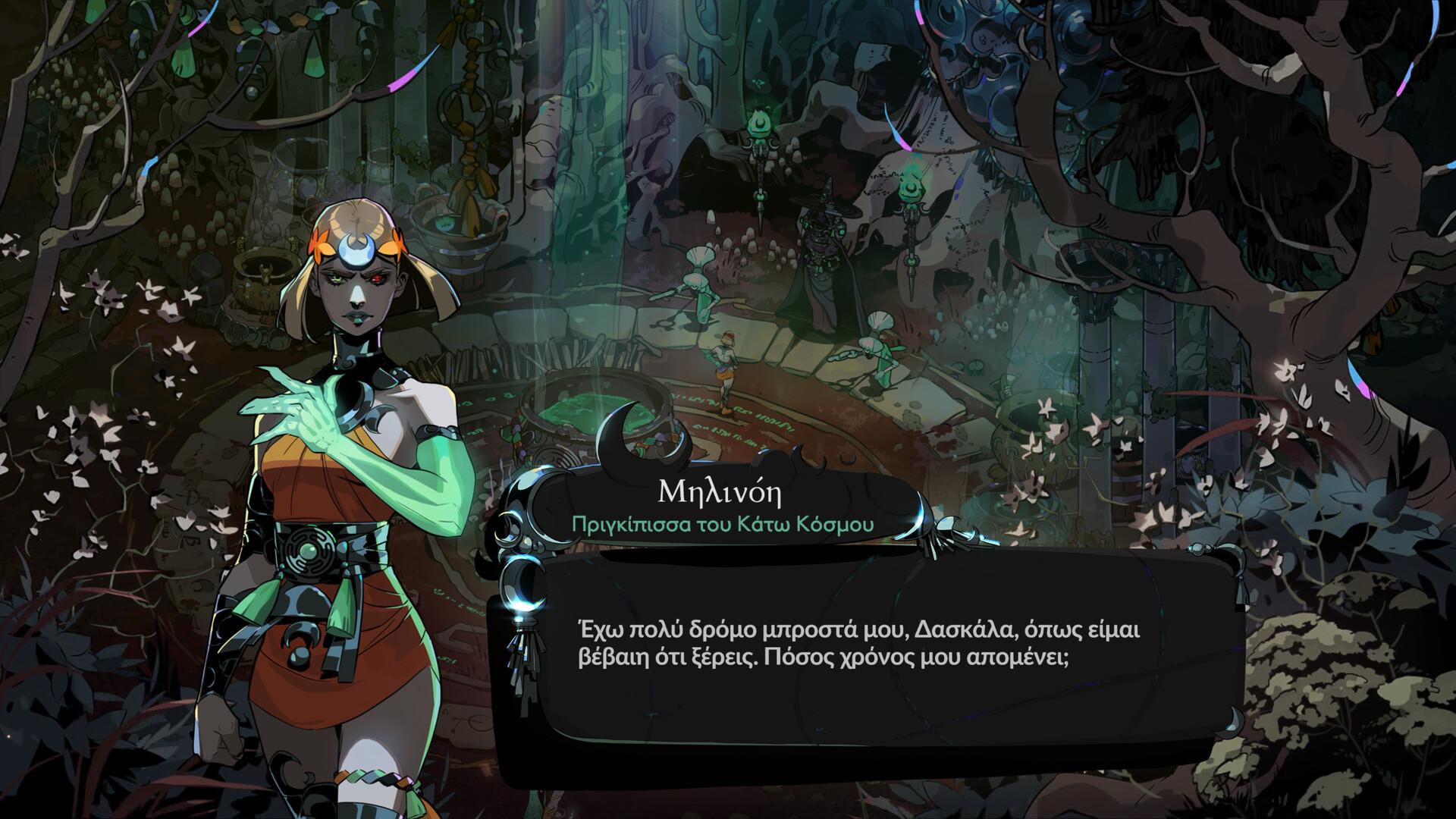
The protagonist is Melinoë, a witch and princess of the Underworld who has been trained from an early age to confront Chronos, the Titan who has returned and taken control of the House of Hades. Unlike the first game, in which Zagreus attempted to escape the Underworld, Melinoë has a different goal: she must venture into the Underworld and beyond it to confront Chronos and free her family.
The story draws extensively from Greek mythology while presenting its characters and concepts through Supergiant Games' own interpretation. Melinoë's journey connects her with figures such as Hades, Hecate, Zeus, Apollo, Athena, Aphrodite, and Poseidon, alongside other mythological characters and beings. The game also introduces new relationships and interpretations of familiar figures, creating its own version of the mythological world.
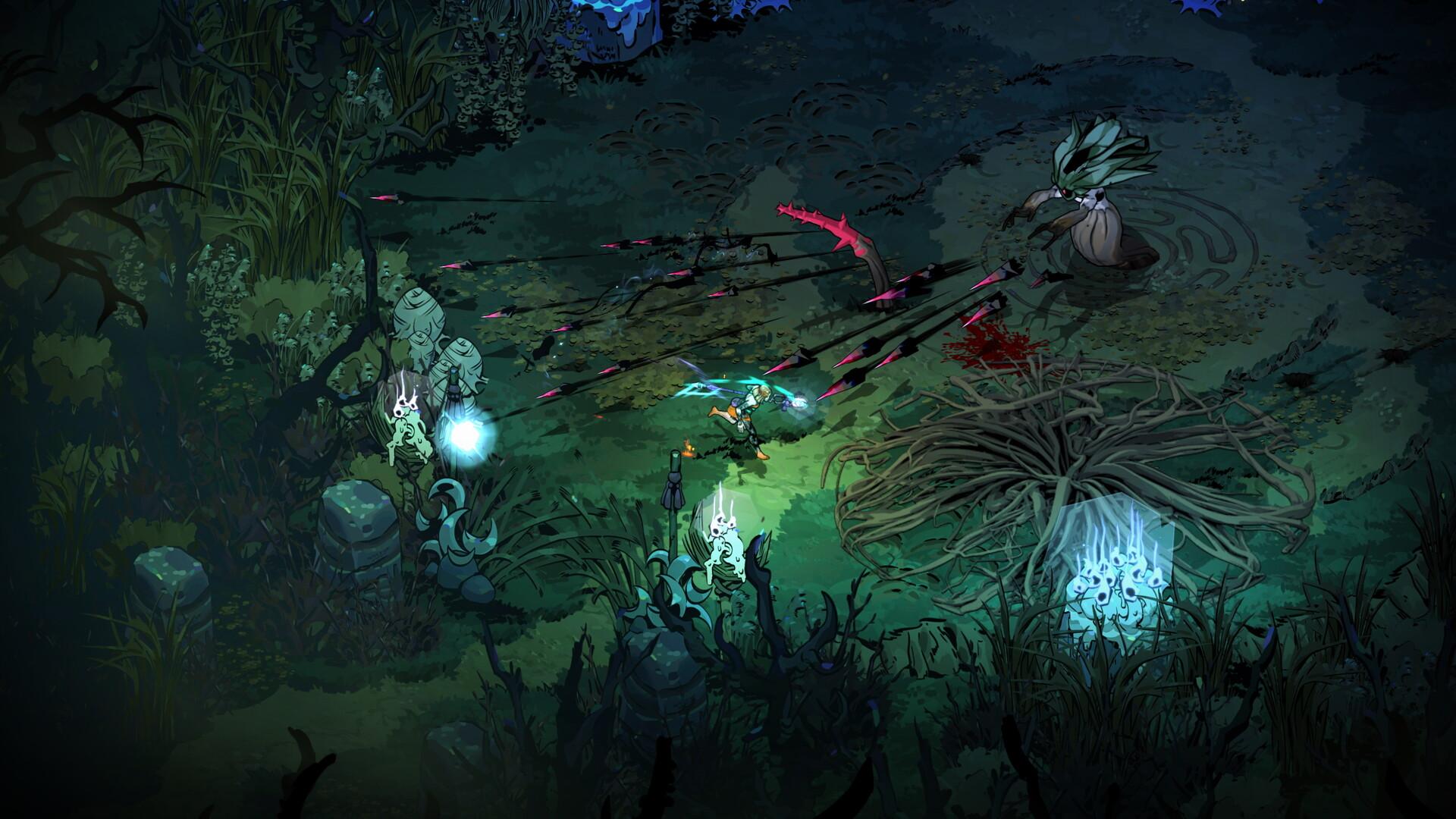
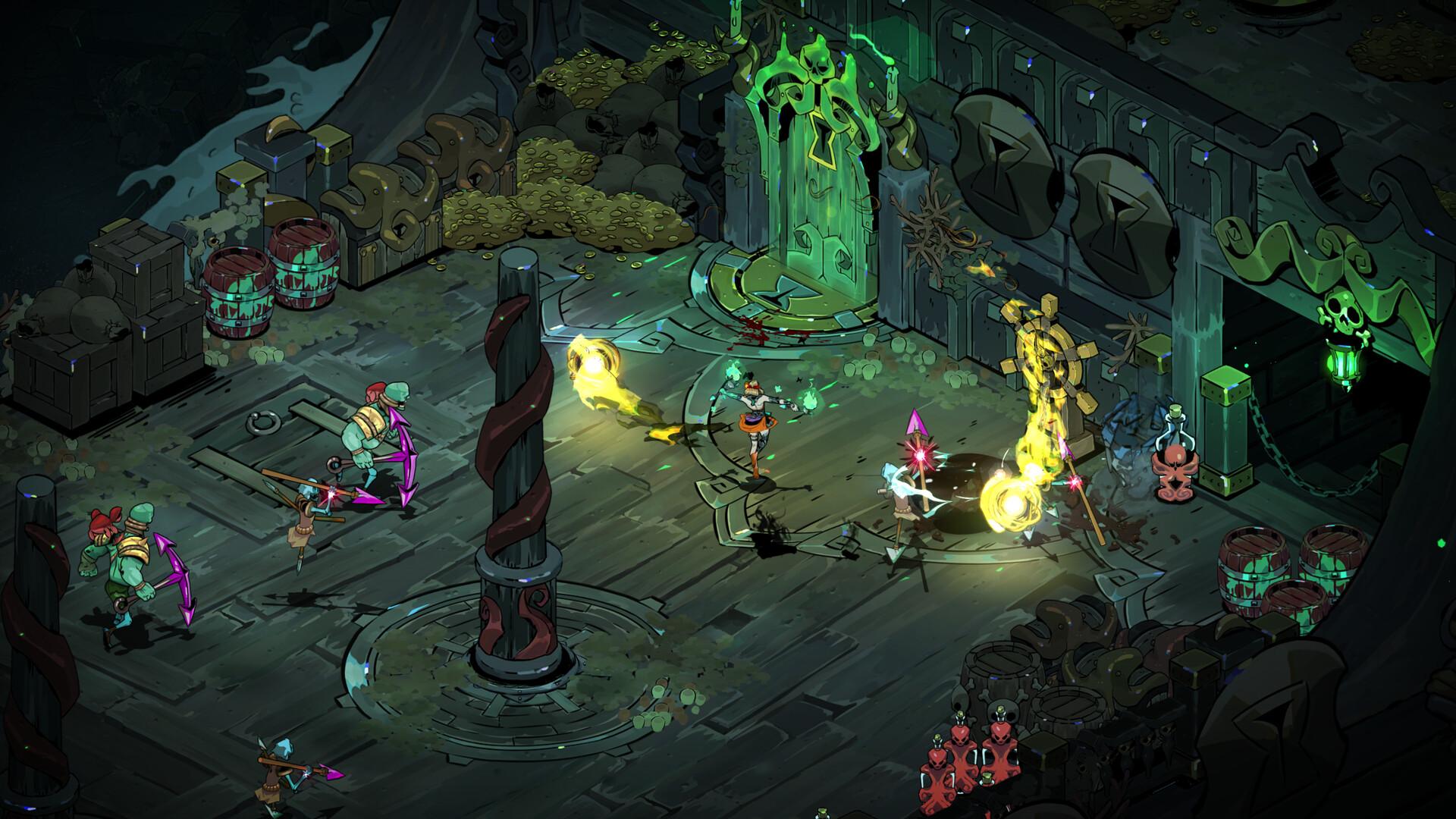
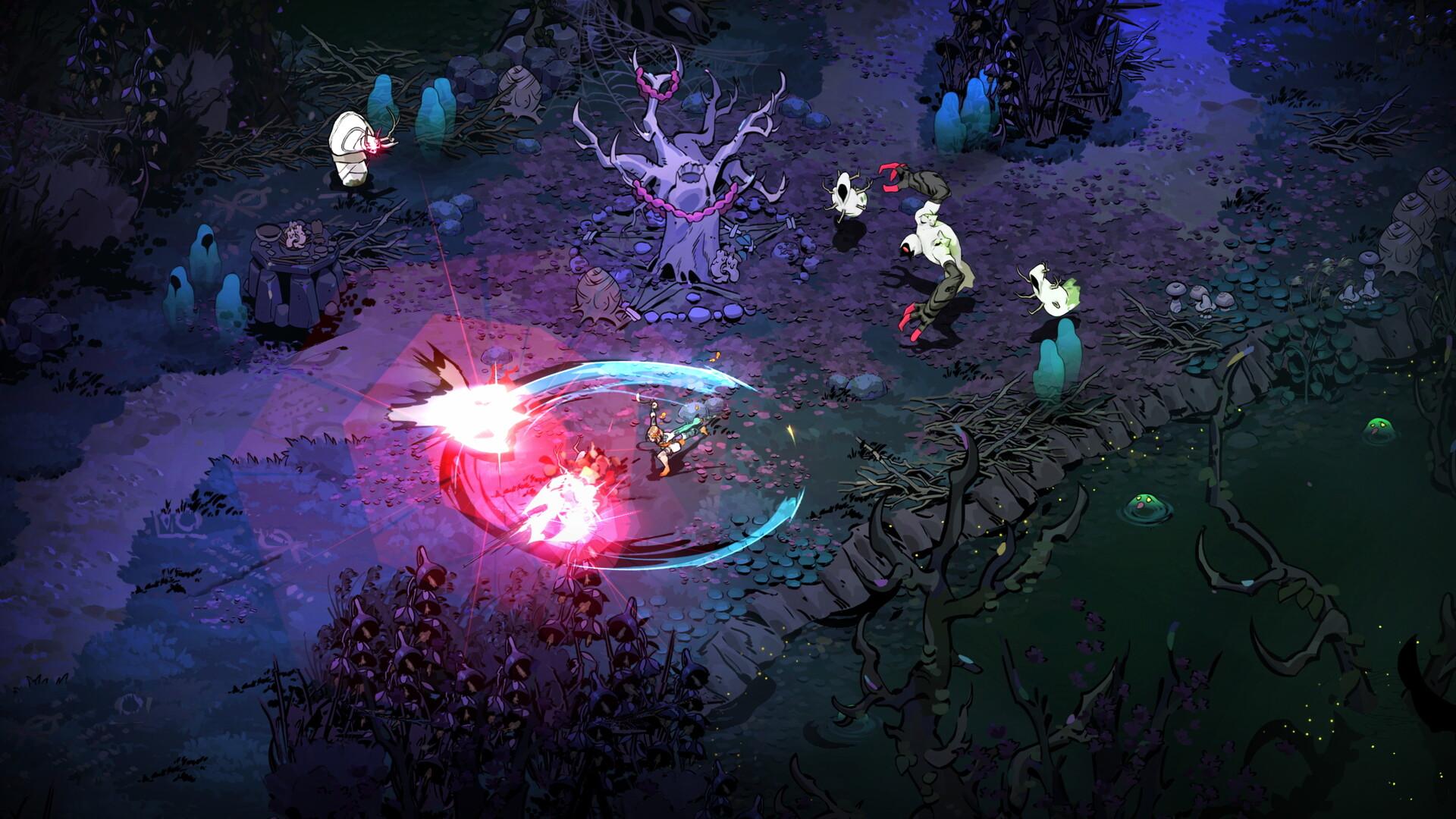
Gameplay follows the roguelike action formula. Players make repeated attempts through areas filled with enemies, with rooms, rewards, and available choices changing between runs. When Melinoë is defeated, she returns to her base and can use resources gathered during the run to become stronger and prepare for the next attempt.
Melinoë has a different set of magical and combat abilities from Zagreus. She uses weapons, spells, and special attacks, while the gods of Olympus can grant her Boons during each run. These modify her abilities and allow players to create different combinations and playstyles.
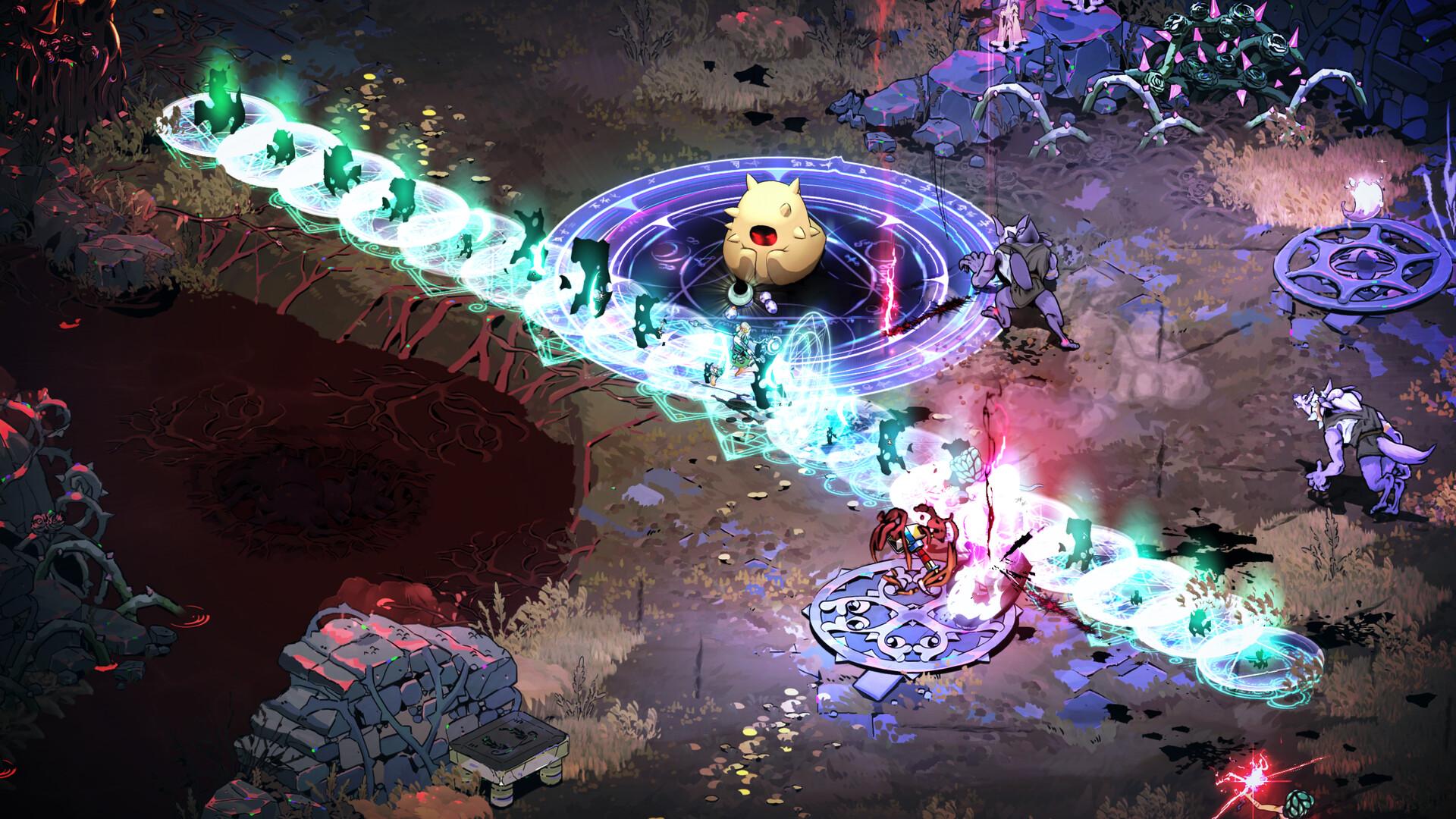
Magic plays a particularly important role in Hades II. Melinoë can use Magick-based abilities to affect larger areas of the battlefield, allowing her to control groups of enemies and develop different strategies depending on the combination of weapons, spells, and divine enhancements available during a run.
The game also expands significantly upon the mythological world established by the original Hades. The journey is not limited to the Underworld, with multiple areas featuring their own visual identity, enemies, characters, and narrative elements. Exploration is closely connected to Melinoë's mission and her relationships with the other characters.
As in the first game, the story develops through repeated attempts. Defeat does not simply reset the player to the beginning. Returning to the central hub can trigger new conversations, reveal additional information, and advance the story. The roguelike structure therefore becomes an integral part of the narrative rather than simply a gameplay framework.
Greek mythology lies at the heart of Hades II, but the game is not intended as a literal adaptation of ancient myths. Supergiant Games takes familiar gods, heroes, monsters, and mythological concepts and reimagines them within its own fictional universe. Its visual design, characters, music, and storytelling combine to create a contemporary and highly distinctive interpretation of Greek mythology.
Hades II Trailer
Hades II Gallery